My cousin, an FBI agent, was assigned to the RICO Division in New York City during the early 90’s working undercover to build a case against John Gotti. He regaled me with his adventures infiltrating the famed Gambino mafia and one detail has stuck with me all these years.
He told me that, when you are invited to dine with the mob, you may bring a gun but not a knife. A gun is standard issue for a made man; you never know when you might find yourself in a shootout and having a gun on you is just a smart survival skill. It’s personal boundaries. Someone starts shooting? You are within your rights to shoot back and save your own life.
But it’s considered disrespectful to bring a knife to the table. A knife is a weapon that requires close-range to your target and is thus considered a weapon of vengeance. If you show up with a knife, it is thought you are angry and looking for revenge. This practice seemingly comes from Medieval Italy, where it was customary to lightly rest your wrists on the table at all times when not actively eating so that it was clear there was no weapon in your hand.
So, I’m talking with a friend about current events, and she says, “The only way we will find justice in the world is through violent revolution.” I vehemently disagree. All around me, I see people – on both sides of any geopolitical issue – who are enraged. But what I don’t see are people with regulated nervous systems.
When I was younger I brought a knife to the table of every social justice discussion. I was angry at what I felt was a lack of justice surrounding certain issues and was thus reactive constantly.
I’m still enraged about a lot of things happening. I’m mad about the defending of our national parks and the drilling that will inevitably ensue in those sacred spaces, the systemic stripping of reproductive rights, the casual acceptance of racist and hate-filled speech. But these days I’m a lot smarter – and a lot less cynical – about it.
It’s overwhelming to have a front-row seat to all the injustices of the moment; we don’t rest enough to process one trauma before we’re introduced to another one. The never-ending onslaught of distraction keeps us in an up-regulated (fight or flight) nervous system state of being instead of balancing this state with down-regulation.
Now stick with me while I get a little science-y. Humans must be down-regulated to make effective, positive change. We cannot meet our own humanity nor champion humankind ferociously when we are not regulated ourselves. When we show up at the table with a knife, we yell and scream and the unfairness of it all, but we cannot listen or hear those around us. Neuroception is the way our nervous system “listens” to other nervous systems. The limbic system – a part of the brain – scans the background environment constantly for threats to that safety and survival. This is automatic. Neuroception describes how our unconscious and subconscious neural circuits distinguish whether situations or people are safe, dangerous, or life threatening. Neuroception explains why a baby coos at her mother but cries at a stranger, or why a toddler enjoys his father’s embrace but feels like a hug from a stranger as an assault. We’re looking for signs that the person in front of us is one we can trust. We’re subconsciously monitoring their body language, word choices, and other cues, and reacting to them.
Basically, our nervous systems are matching those around us all the time. So the more my nervous system is distressed, the more your nervous system becomes distressed. Meaning you can’t hear me either because you don’t trust me. The less humane you act, the more I lose my humanity. We just end up yelling over each other and leave frustrated and hurt that no minds were changed, or hearts were opened. It’s all knee-jerk reaction with no thoughtful response.
This is just anger for anger’s sake. To really change the world, we must do so from a grounded, more mindful state. We must conserve our energy and be more conscious of where it’s directed.
This isn’t to say that anger is bad. No emotions are wrong or bad; they are simply shades of the human experience. What I’m saying is that we need to sit with the anger to understand it fully before we can channel it into something worthwhile.
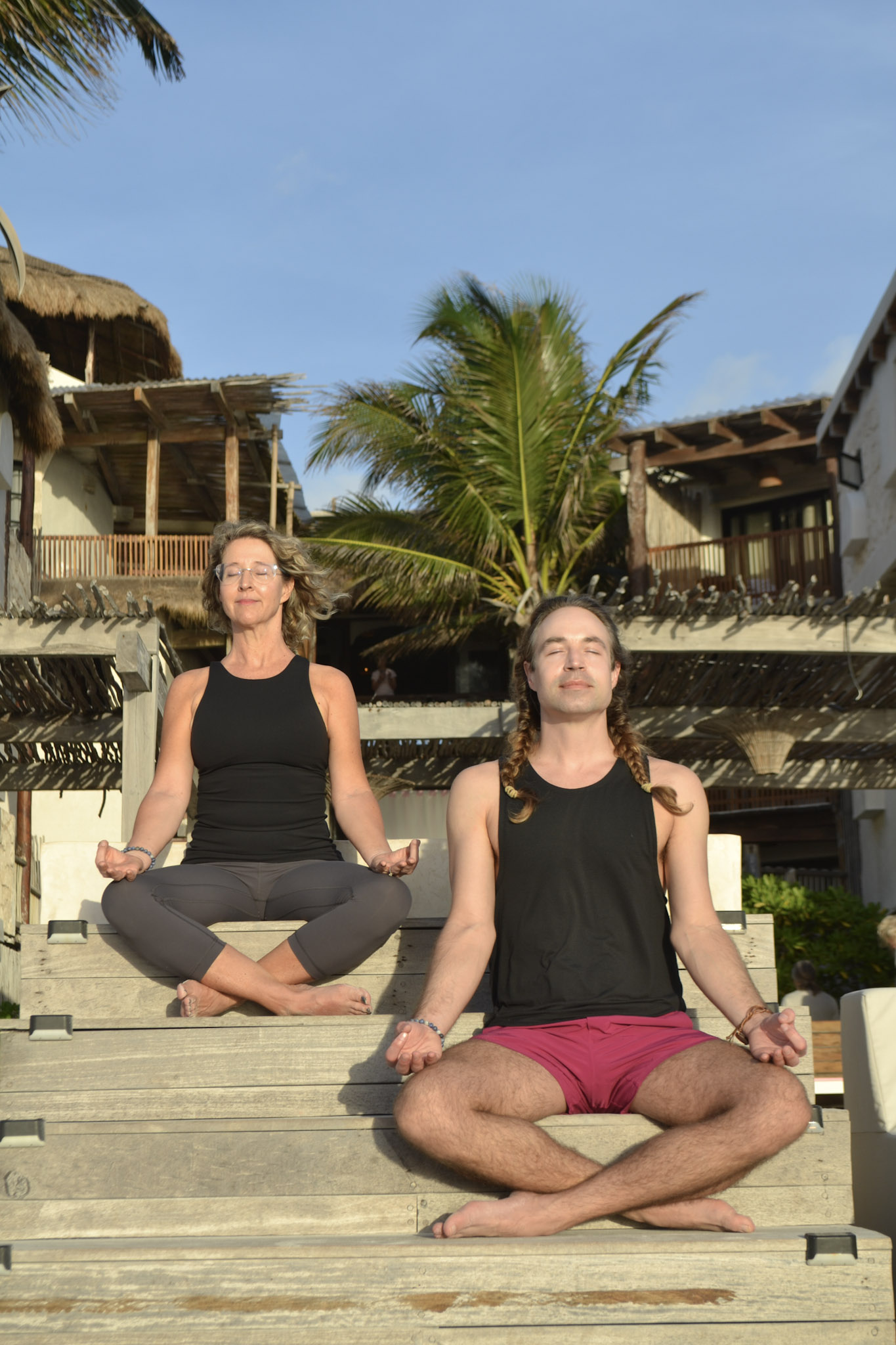
Lay down your knife and rest your wrists on the table. A peaceful revolution is always the best choice.

