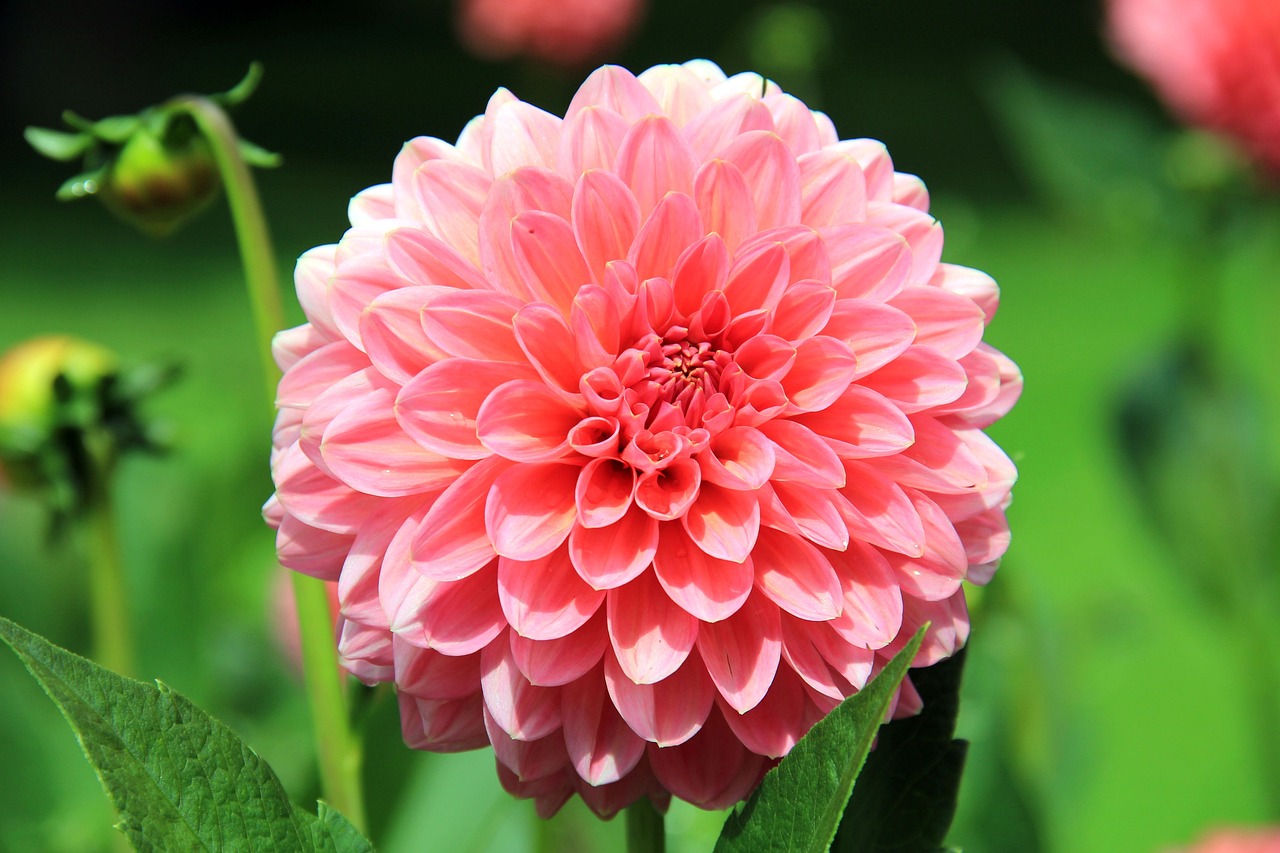
Recently, a friend shared a time lapse video of a blooming dahlia flower (watch it here) where you can see the full progression of bud to bloom. The petals reach away from the bud and and outward toward light, and then contract back in before expanding again. You can literally see the dahlia breathing in this natural rhythm of contraction and expansion, in this earthly growth cycle of evolution. The petals reach out, then draw back in.
There is beauty in the natural becoming of who we are. Ideally, we extend and develop, then retreat and integrate.
This is ideally how dopamine works in our brains too. Dopamine, the so-called “happy” neurotransmitter, is involved in memory, mood, motivation, and movement. It works most efficiently when released like the dahlia video. As it’s slowly released, there is an almost imperceptible feeling of expansion, then a pause as it’s metabolised.
But we are a world addicted to fast dopamine practices, or things that shower the bloodstream constantly with the chemical with no time to draw back and absorb it. I just read that Gen Z (my daughter’s generation) spends up to a third of their day online. This much digital consumption is a dopamine assault rifle for the brain. We scroll, the dopamine rush feels good, so we scroll some more to keep that neurotransmitter firing. The longer we stay online, the more apt we are to buy something (because impulse buying is another way to get a quick shot of dope). Social media was literally created using what science knows about dopamine and addiction.
While we think of dopamine as a “good” chemical, too much of anything is bad. High dopamine symptoms include anxiety, insomnia, brain fog and exhaustion. Mental health disorders associated with excess dopamine include ADHD, addiction, depression, schizophrenia, and OCD.
The earthly growth cycle of evolution is expansion and contraction. We need the exhale as much as the inhale. Like the dahlia, we are nature first and need to slow the process down if we want to love our brains.
Slow dopamine is an act of love, giving our nervous systems enough time to be witness to the sensations of the moment.
Slow dopamine happens when we move our bodies, make love, read literature, listen to music, watch the clouds scuttle across the sky.
Slow dopamine is getting enough sleep and water and protein and sunlight and laughter.
Slow dopamine is meditation and hot coffee and a deep massage and a good whiff of your dog’s cornchip paws, a hot soak in the tub or a good stretch for our hamstrings.
Slow dopamine practices are an act of rebellion in a world that demands our digital attention. It is a recovery practice to set down the phone and force our brain to readjust to slow dopamine practices. The pleasure might come more slowly, but it’s longer lasting, a commitment to contentment over constant amusement.
How will you celebrate slow dopamine today?

