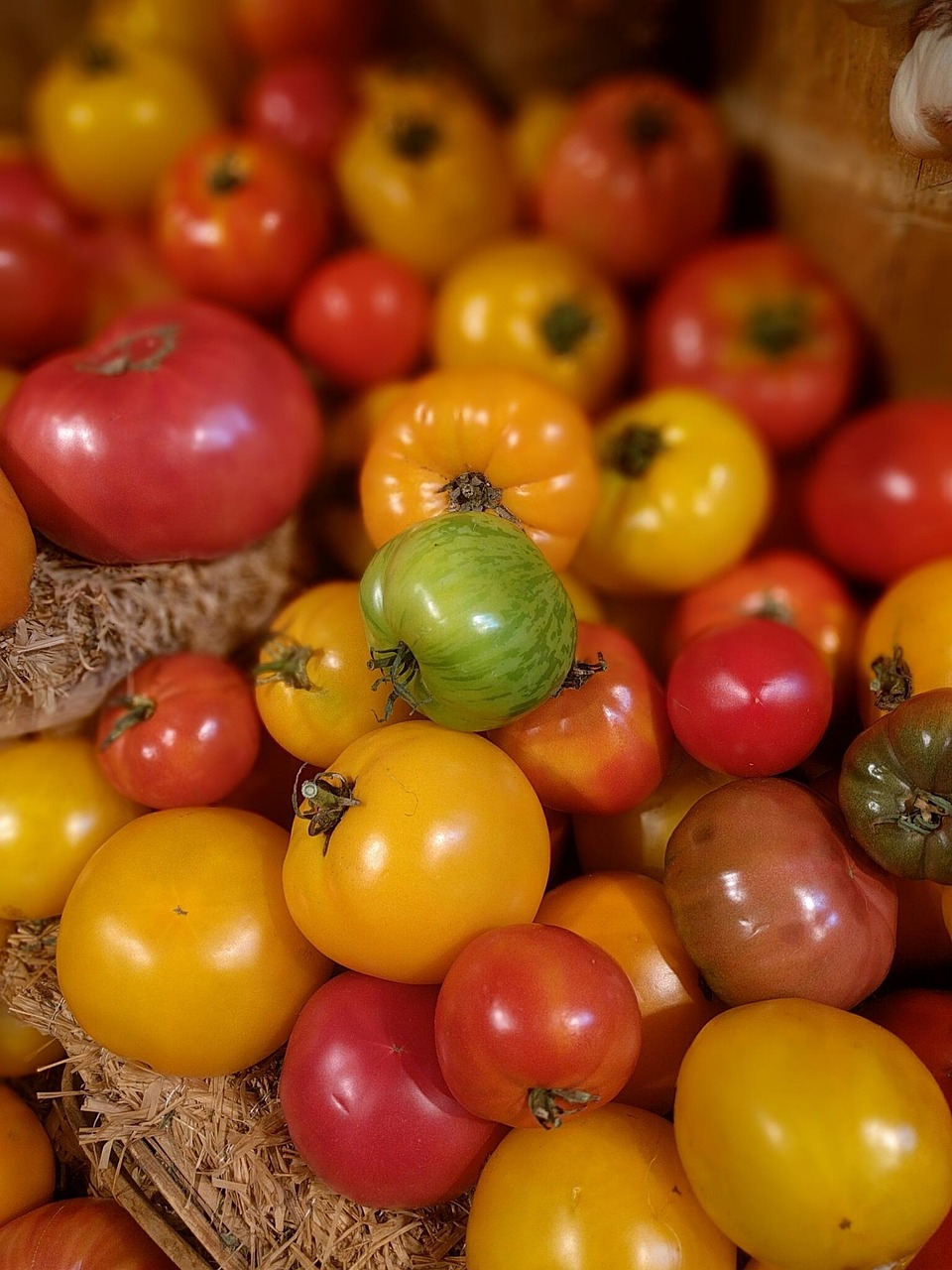
The tomato is no ordinary fruit. It is the beating red heart of gardens, kitchens, and cuisines across the globe. Yet, it is often overlooked, dismissed as mundane, as if its familiarity makes it unremarkable.
The tomato has traveled a remarkable path. Born under the sun of the Andes and nurtured by the ancient hands of Indigenous South American farmers, these cherry-sized, bitter tomato ancestors would later become a staple of the Aztec diet. They called it xītomatl, or plump thing with a navel, from which the word tomato is ultimately derived.
Carried across the ocean after the Spanish conquest of the 1500’s, it became feared in Europe, mistaken for poison and scorned as the devil’s fruit, as it belonged to the nightshade family. Migrating south to Italy, the fruit flourished, as it was well-suited to the Mediterranean climate. By the 1700s, tomatoes had become a staple in Italian cooking, laying the foundation for some of my favorite dishes, like pasta al pomodoro and pizza.
Though it originated in South America, it returned to the U.S. via Europe. By the early 1800s, Americans began eating it widely. One legend claims that in 1820, Colonel Robert Gibbon Johnson ate a tomato on the courthouse steps in Salem, New Jersey just to prove it wasn’t poisonous.
In the 1960’s, a neighbor gifted my paternal grandfather Butler seeds brought from Italy after WWII. Butler – who I called Papa – was the jailer in my small town for 16 years, and a tomato farmer of local renown. He would hand out packets of these tomato seeds with Vote Butler Skinner! printed on them during his campaigns for re-election in the late 60’s and early 70’s.
This tomato is a slicer, a big, ugly beefsteak variety perfect for tomato sandwiches, due to its balance of sweetness and acidity. For those not from the South, this sandwich assembles fat tomato slices, salt and pepper, and lots of mayonnaise on toast (use Hellman’s, not Dukes, and never, ever Miracle Whip). It can get really messy from the juicy fruit, so it’s best eaten standing over the sink.
Butler died when I was in college, but his wife Oleta – my Granny Skinner – kept the tomato tradition alive. When she died a decade later, my dad went to get the tomato seeds he had stored in her basement larder, only to find that they had molded. It seemed like his father’s tomato story had come to an end.
A few years later, my dad was telling a friend about the tomato. This friend just happened to be obsessed with growing heirloom tomatoes and shared the story on an heirloom tomato website. A few more days pass, and my mom gets a call from our local post office asking her to please come and get all these plants. Baffled, she drove into town and was astonished to see baby Butler Skinner plants had been mailed to her from all over the eastern United States from people who had gotten those seeds from a parent or grandparent from Winchester and then transplanted them as they immigrated elsewhere. This variety is now officially named the Butler Skinner Heirloom on the official heirloom tomato registry (yes, that’s a thing).
Southerners disavow those mass-produced, pinkish, flavorless supermarket tomatoes, designed for durability over taste. In July and August, tomato stands can be found everywhere in Appalachia, from rural gravel roads to the Wal-Mart parking lot.
The tomato is an unpretentious superstar of so many moments of connection and comfort. It adapts to cultures, to climates, to the needs of the moment. In my family, the tomato is more than food. It’s sacred communion.

