Long before Kentucky had roads or fields or fences, the land was woven with what the mountain people called the Golden Thread, a shimmering current of life that connected flowers, animals, forests, and springs. It pulsed gently through every hill and hollow, unseen but deeply felt. Legend says the Golden Thread was tended by tiny winged keepers, the 400 species of wild Kentucky bees. Unlike honeybees, which were brought from Europe, most of Kentucky’s native bees evolved right alongside the region’s plants.
Not ordinary bees, but bees whose hum was said to hold ancient magic. Some stories claim their wings were dipped in the last light of dawn. Others say each colony carried a secret name for every wildflower in the region, and that when a bee landed, the flower heard its true name and bloomed brighter.
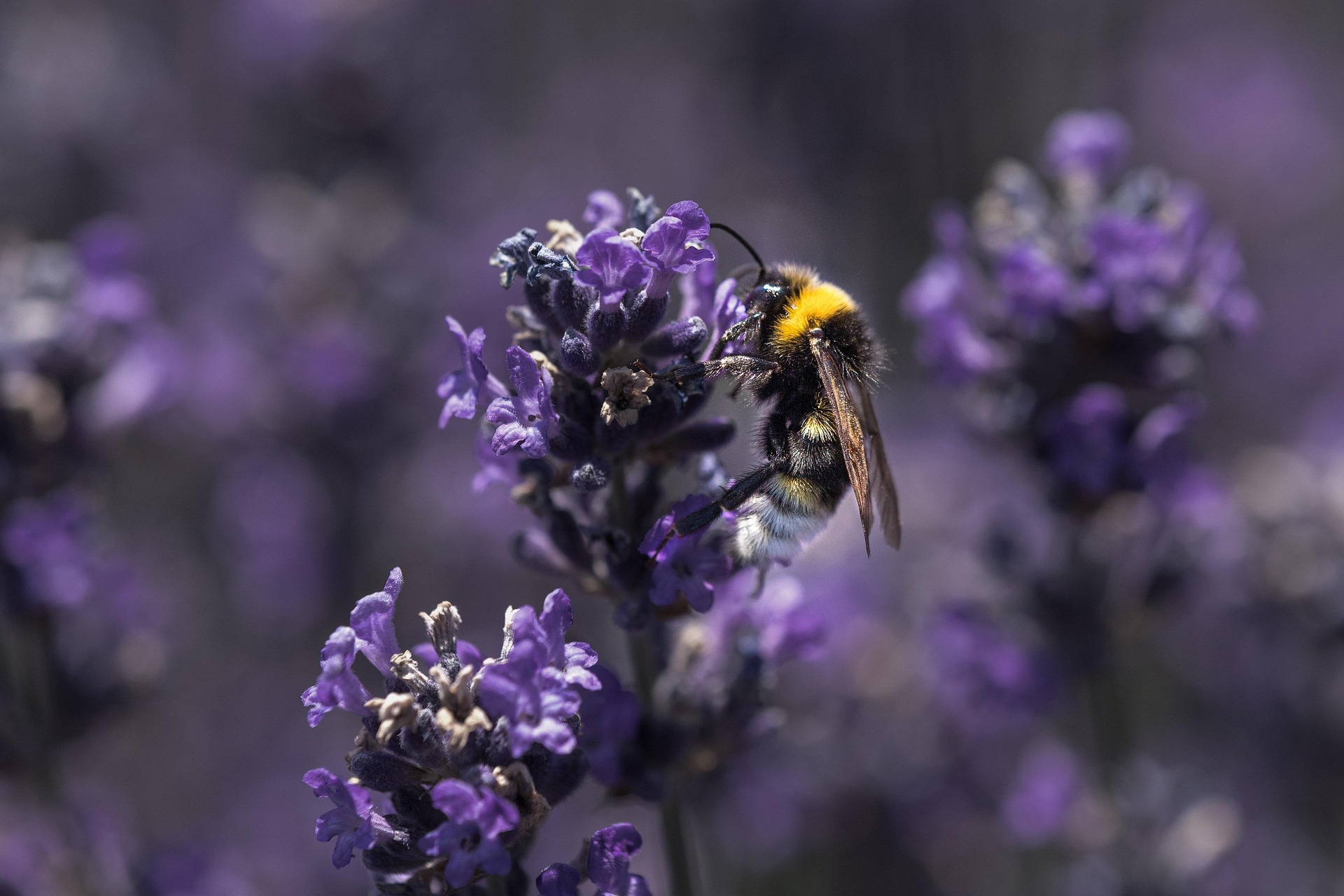
Kentucky lore says that when a warm day of March arrives, you should walk quietly into the fields and listen. If you hear a single, low bumblebee hum, it’s a sign the Queen of Spring has awakened. Bumblebees vibrate their bodies at just the right frequency to shake pollen loose from flowers like tomatoes, blueberries, and clover. Honeybees can’t do this.
Though many Kentucky bees do not make honey in large combs, ancient Appalachian wisdom tells that the nectar they carry is actually memory of last year’s blooms. The memory of the forest before logging. The memory of rivers before they changed course. The memory of hills carpeted in green, before the roads and houses took their place.
When a bee drinks from a flower, it is sharing that memory, reminding the plant of its lineage, its history, its story. This is why the dandelion, trillium, and redbuds grow more beautifully each subsequent generation: they inherit their ancestors’ dreams through the bees.
Bees are not just pollinators in this mythic view, but guardians of memory, blessers of spring, protectors of balance, and reminders that even the quietest of songs can change the world.

